- Choose durable materials: Select wood, vinyl, metal, or composite based on climate, budget, and maintenance needs.
- Properly set fence posts: Posts should be deep, level, and secured with concrete for long-lasting stability.
- Use the right tools: Accurate measurements, levels, and appropriate fasteners ensure a professional, durable installation.
- Plan your layout carefully: Check local regulations, measure property lines, and account for slopes or obstacles.
- Maintain your fence regularly: Seal, clean, and inspect fences to prevent rot, rust, or damage over time.
- Integrate with landscaping: Incorporate hardscaping ideas like gravel paths, flower beds, or retaining walls for aesthetics and durability.
- Avoid common mistakes: Don’t skimp on materials, overlook post depth, or ignore maintenance to ensure a long-lasting fence.
Building a fence is more than just adding a boundary to your property—it’s about enhancing privacy, security, and curb appeal. However, not all fences are created equal. A poorly built fence can deteriorate quickly, costing you more in repairs or replacement. Homeowners who want a fence that stands the test of time need to focus on three key aspects: selecting the right materials, using the proper tools, and applying effective building techniques.
This guide will walk you through each step of the process, from choosing materials to final installation, so you can create a fence that not only looks great but also lasts for years to come.
Why Building a Durable Fence Matters
A long-lasting fence is an investment in your home’s value, safety, and aesthetics. Many homeowners underestimate the importance of quality materials and construction techniques, leading to fences that warp, rot, or collapse after just a few years. A durable fence provides:
- Security and privacy: Protects your property and family.
- Enhanced curb appeal: A well-built fence adds a polished, cohesive look to your yard.
- Cost savings: Reduces the need for frequent repairs or replacements.
- Property value: A sturdy, attractive fence can increase resale value.
Investing time and planning before building ensures your fence performs well against weather, pests, and general wear. Understanding the key components of a long-lasting fence is the first step to a successful project.
Choosing the Right Fence Materials
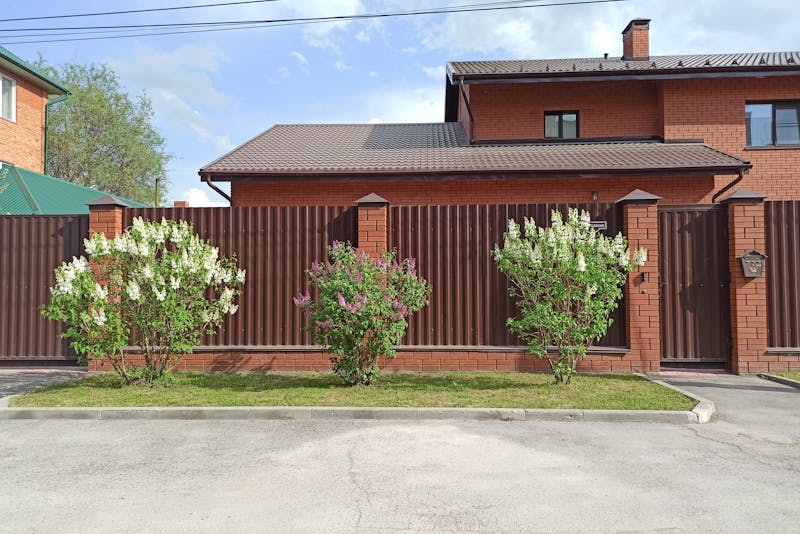
Selecting the appropriate materials is crucial for durability. Different materials have different strengths, maintenance needs, and costs. Homeowners should consider climate, budget, and aesthetic preferences before choosing.
Wood Fences
Wood is a classic choice for its natural look and versatility. Popular options include cedar, redwood, and pressure-treated pine.
Pros:
- Beautiful and customizable
- Can be painted or stained
- Provides excellent privacy
Cons:
- Requires regular maintenance
- Susceptible to rot, pests, and weather damage
Tips for Longevity:
- Use pressure-treated or naturally rot-resistant wood.
- Apply a water-resistant sealant every 1–2 years.
- Keep soil and mulch away from the base of posts to prevent rot.
Vinyl Fences
Vinyl is a low-maintenance option that resists rot, warping, and pests. It comes in various styles and colors.
Pros:
- Virtually maintenance-free
- Resistant to insects and decay
- Lasts longer than wood in most climates
Cons:
- Can be more expensive upfront
- Limited customization in terms of color changes after purchase
Metal Fences
Metal fences, such as aluminum, wrought iron, or steel, provide strength and security.
Pros:
- Extremely durable
- Low maintenance with proper coatings
- Ideal for security-focused properties
Cons:
- Can rust if not coated
- Less privacy compared to wood or vinyl
Composite Fences
Composite fences combine wood fibers and plastic, offering the look of wood without the same maintenance requirements.
Pros:
- Rot-resistant and durable
- Requires minimal maintenance
- Eco-friendly if made from recycled materials
Cons:
- Can be expensive
- Color fading over time is possible
Choosing the right material is a balance between aesthetics, budget, and long-term maintenance. For a fence that truly lasts, durability should take precedence over trends.
Homeowners should consider climate, budget, and aesthetic preferences before choosing. Exploring different types of residential fencing can help you determine which material and style best suit your property.
Essential Tools You’ll Need
Using the proper tools ensures your fence is installed correctly and efficiently. Attempting a DIY fence without the right equipment can lead to mistakes that compromise durability.
Basic Tools:
- Tape measure and string line for precise measurements
- Post hole digger or auger for setting posts
- Level and carpenter’s square for accurate alignment
- Hammer or nail gun for wood fences
- Drill and screws for vinyl or composite fences
- Saw for cutting wood or composite boards
Optional Tools for Large Projects:
- Concrete mixer for setting posts in cement
- Wheelbarrow for transporting materials
- Power post driver for heavy-duty fences
Having the right tools allows you to build a fence safely, reduce frustration, and ensure your fence performs as intended.
Planning Your Fence Layout
Before digging or purchasing materials, careful planning ensures a smooth installation process.
Steps for Planning:
- Check local regulations: Confirm height limits, property lines, and permit requirements.
- Determine fence style and height: Consider privacy needs, aesthetic goals, and intended use.
- Measure your property: Use a tape measure and mark corners clearly with stakes.
- Mark post locations: Posts are typically spaced 6–8 feet apart for stability.
- Identify obstacles: Take note of trees, utility lines, and slopes that may affect installation.
When deciding on a design, look at popular residential fencing ideas to inspire your layout and complement your home’s architecture. This can include privacy-focused designs, decorative panels, or fences that enhance landscaping. A well-thought-out plan prevents costly mistakes and ensures your fence is structurally sound from start to finish.
Setting Fence Posts: The Foundation of Durability
Fence posts are the backbone of your structure. If they are unstable, the entire fence can fail. Proper installation ensures your fence withstands wind, soil movement, and everyday wear.
How Deep Should Fence Posts Go?
- Posts should be set 1/3 of their total length into the ground for stability.
- In most cases, this is 2–3 feet deep.
- Adding gravel at the bottom improves drainage and prevents rot for wood posts.
Using Concrete for Stability
- Pour concrete around posts to secure them in place.
- Mix concrete according to the manufacturer’s instructions.
- Allow 24–48 hours for curing before attaching fence panels.
Tips for Uneven Terrain
- Step the fence gradually along slopes for a uniform appearance.
- Use a level and string line to ensure posts are vertically straight.
A well-set post ensures that even heavy panels or gates remain stable and functional for decades.
Building the Fence Panels
Fence panels vary based on material and style. Wood, vinyl, and composite fences all require slightly different techniques.
Installing Wooden Panels
- Attach horizontal rails to posts first.
- Secure vertical pickets evenly along the rails, leaving small gaps for wood expansion.
- Use stainless steel nails or screws to prevent rusting.
Installing Vinyl or Composite Panels
- Insert panels into pre-installed slots on posts.
- Ensure panels are level before securing.
- Avoid over-tightening screws to prevent cracking.
Tips for a Professional Finish
- Maintain consistent spacing between panels or pickets.
- Use a level frequently to avoid slanted lines.
- Sand and seal edges for a polished appearance and added durability.
Gates and Hardware: Don’t Overlook the Details
A fence is incomplete without a functional gate. Choosing the right hardware is essential for both usability and longevity.
Gate Tips:
- Choose heavy-duty hinges and latches for long-lasting performance.
- Ensure gates are level and swing freely without dragging on the ground.
- Consider self-closing or locking mechanisms for added security.
Hardware quality often determines the long-term success of your fence, particularly for high-traffic entry points.
Maintenance Tips to Extend Fence Life
Even the most durable fences need some upkeep to last decades. Regular maintenance prevents minor issues from becoming major problems.
Wood Fence Maintenance:
- Apply sealant or stain every 1–2 years.
- Inspect for rot, insect damage, and loose boards.
- Trim plants or grass that touch the fence.
Vinyl and Composite Fence Maintenance:
- Wash with soap and water annually.
- Inspect for cracks or warping.
- Avoid harsh chemicals that may discolor surfaces.
Metal Fence Maintenance:
- Check for rust spots and repaint if necessary.
- Tighten loose screws or bolts.
- Ensure posts are firmly anchored.
Routine maintenance not only preserves your fence’s appearance but also extends its life by several years.
Hardscaping Design and Fence Integration
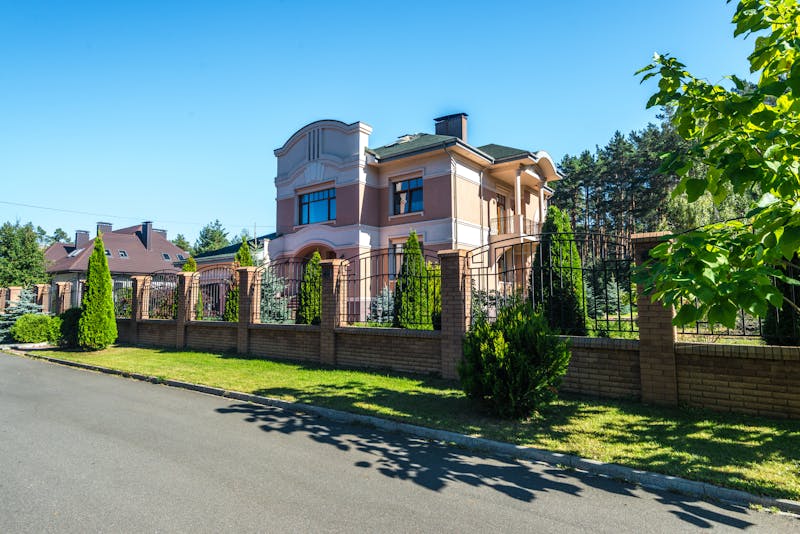
A durable fence also complements your landscape. Integrating your fence with a thoughtful hardscaping design ensures it blends with your yard while adding functionality.
Hardscaping Ideas:
- Add a gravel or stone pathway along the fence for clean access.
- Incorporate flower beds or climbing plants to soften the fence’s appearance.
- Use decorative edging or retaining walls for uneven terrain.
Proper integration of fencing and hardscaping creates a cohesive look while enhancing durability by reducing soil erosion and water pooling near posts.
Common Mistakes to Avoid
Even experienced DIYers can make mistakes that shorten a fence’s lifespan. Being aware of these pitfalls can save you time and money.
Avoid These Mistakes:
- Setting posts too shallow or skipping concrete.
- Using untreated wood in wet climates.
- Ignoring local building codes or property lines.
- Over-tightening screws or nails, leading to splitting or cracking.
- Skipping maintenance or protective coatings.
Careful attention to these details ensures your fence performs well for decades.
Frequently Asked Questions About Building a Fence
How long does a well-built fence last?
- With proper materials and maintenance, a wooden fence can last 15–20 years, vinyl or composite fences 20–30 years, and metal fences up to 50 years.
Can I install a fence on a slope?
- Yes, by using a stepped installation or racked panels that follow the contour of the land.
Do I need a permit to build a fence?
- Most municipalities require permits, especially for fences over a certain height. Always check local regulations before starting.
How much does it cost to build a long-lasting fence?
- Costs vary depending on materials, style, and labor. Wood fences may cost $15–$40 per linear foot, vinyl $20–$50, and metal $30–$70.
Final Thoughts
Building a fence that lasts requires careful planning, quality materials, the right tools, and proper installation techniques. By choosing durable materials, setting posts correctly, and integrating your fence into your yard’s landscape, homeowners can enjoy a secure, attractive, and long-lasting fence for years. Regular maintenance and attention to details like hardware and spacing ensure your investment continues to add value and beauty to your property.
Whether you’re building for privacy, security, or aesthetics, a well-constructed fence enhances your home’s appeal and functionality, making it a worthwhile investment.
About the Author