- There are several types of residential fencing, including wood, vinyl, aluminum, chain-link, and composite, each with unique benefits and maintenance needs.
- Choosing the right fence depends on your primary goal—privacy, security, decoration, or safety for children and pets.
- Home design and style should influence fence selection to ensure it complements your property and enhances curb appeal.
- Maintenance and longevity vary by material; wood requires regular upkeep, while vinyl and composite are low-maintenance.
- Budget and local regulations play a significant role in fencing decisions, including cost, installation, and compliance with zoning rules.
- Exploring residential fencing ideas can help homeowners find solutions that balance aesthetics, function, and long-term value.
Choosing the right fence is an important decision for homeowners because it affects privacy, security, maintenance, and overall curb appeal. With so many materials and styles available, understanding your options can help you make a more informed investment. The right fence should match your lifestyle, complement your home’s design, and comply with local regulations.
This guide breaks down the most common fencing types and explains how to select the best option for your property. By understanding the benefits and limitations of each style, you can confidently narrow down the choices that suit your needs and long-term goals.
Understanding the Types of Residential Fencing Available
Residential fences come in a wide range of materials and designs, each serving a specific purpose and aesthetic. Homeowners often feel overwhelmed by the number of choices, but learning the basics makes the decision easier. The most common types of residential fencing vary in durability, cost, and maintenance needs, making some better suited for privacy while others focus on decoration or security. Climate, neighborhood style, and how the fence will be used all play a role in determining the best fit. Taking the time to compare options ensures your fence enhances your home rather than becoming a costly regret later.
Common fencing materials homeowners choose
- Wood fencing: Classic, versatile, and customizable for privacy or decorative use
- Vinyl fencing: Low-maintenance, weather-resistant, and available in many styles
- Aluminum fencing: Lightweight, rust-resistant, and ideal for decorative boundaries
- Chain-link fencing: Affordable, durable, and practical for large yards
- Composite fencing: Eco-friendly look with enhanced durability and minimal upkeep
How Do You Choose a Fence Based on Your Home’s Needs?
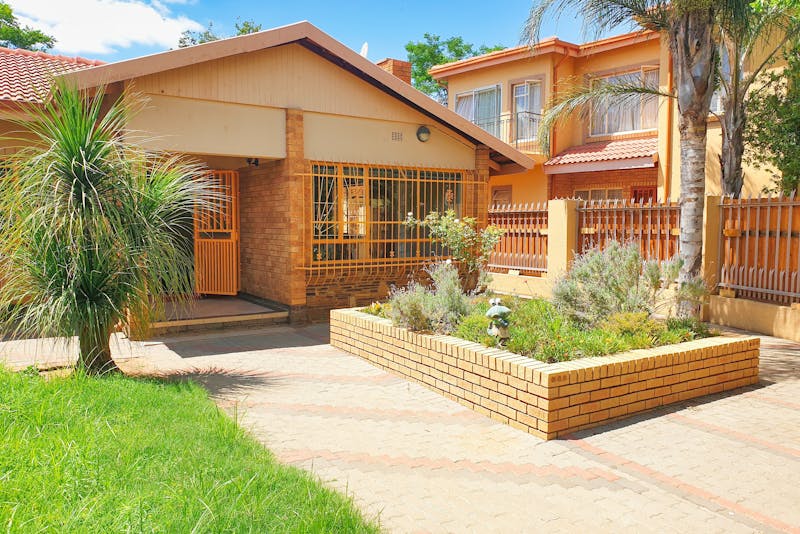
Every home has unique requirements, and your fence should reflect how you use your outdoor space. Some homeowners prioritize privacy for backyards, while others focus on safety for children and pets. Understanding your main purpose helps eliminate unsuitable options early in the process. It’s also important to think about long-term ownership, including maintenance time and repair costs. By aligning fencing features with daily needs, homeowners can avoid overspending on unnecessary features or choosing a style that doesn’t perform well over time.
Key questions to ask before choosing
- Do you need privacy, security, or simply a visual boundary?
- Will children or pets regularly use the yard?
- How much maintenance are you willing to handle?
- Does your neighborhood have an HOA or zoning restrictions?
Which Fence Style Matches Your Home’s Design?
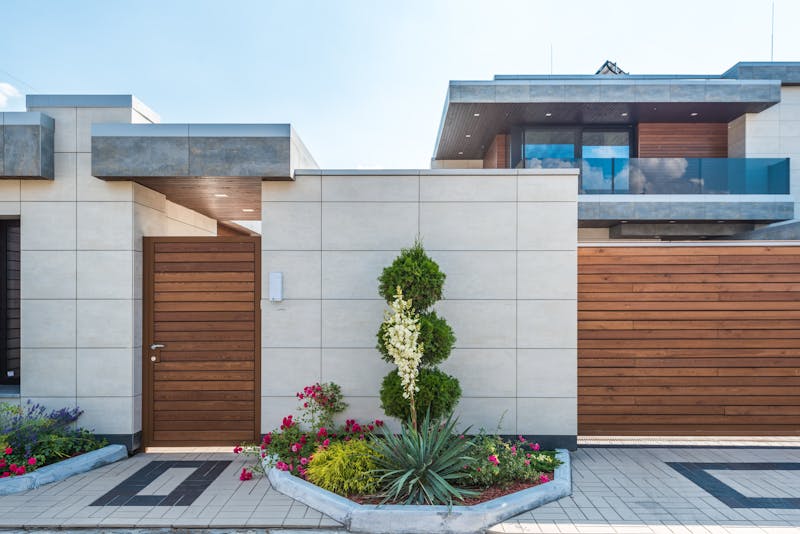
A fence should feel like a natural extension of your home, not an afterthought. Architectural style, exterior colors, and landscaping all influence which fence designs look best. Modern homes often benefit from clean lines and minimalist materials, while traditional homes pair well with classic wood or picket styles. Exploring different residential fencing ideas can inspire homeowners to blend function with visual appeal. Choosing a fence that complements your home increases curb appeal and can even boost property value.
Matching fencing styles to home designs
- Traditional homes: Wood picket or privacy fences
- Modern homes: Horizontal wood, aluminum, or composite fencing
- Rustic properties: Split rail or natural wood fencing
- Urban homes: Vinyl or metal fencing with sleek finishes
What Should You Know About Fence Maintenance and Longevity?
Maintenance is often overlooked during the selection process, but it significantly affects long-term satisfaction. Some fencing materials require regular upkeep to maintain appearance and structural integrity, while others are designed to be virtually maintenance-free. Weather exposure, sunlight, and moisture all impact how long a fence lasts. Understanding maintenance expectations upfront helps homeowners choose a fence that fits their schedule and budget, preventing future frustration and unexpected costs.
Maintenance considerations by material
- Wood: Requires staining or sealing every few years
- Vinyl: Needs occasional cleaning with soap and water
- Aluminum: Minimal maintenance and resistant to rust
- Chain-link: Durable but may need rust prevention over time
- Composite: Long lifespan with very little upkeep
How Budget and Local Rules Influence Your Final Choice

Budget plays a major role in fence selection, but it shouldn’t be the only factor. While upfront cost matters, long-term expenses like repairs and maintenance should also be considered. In addition, local zoning laws, property lines, and homeowner association rules may limit fence height, materials, or placement. Understanding these constraints early helps homeowners avoid fines, redesigns, or forced removals after installation. A balanced approach ensures your fence meets both financial and legal requirements.
Factors that affect total fencing cost
- Material and style selection
- Yard size and terrain
- Installation method (DIY vs. professional)
- Permit and compliance requirements
Final Thoughts: Making a Confident Fencing Decision
Selecting the right residential fence is about balancing function, style, and practicality. By understanding the types of residential fencing, evaluating your home’s needs, and considering long-term maintenance, you can make a choice that enhances both your property and lifestyle. A well-chosen fence adds value, security, and visual appeal, making it a worthwhile investment for any homeowner.
About the Author